Contact Us
 Write to Us
Energy Engineering
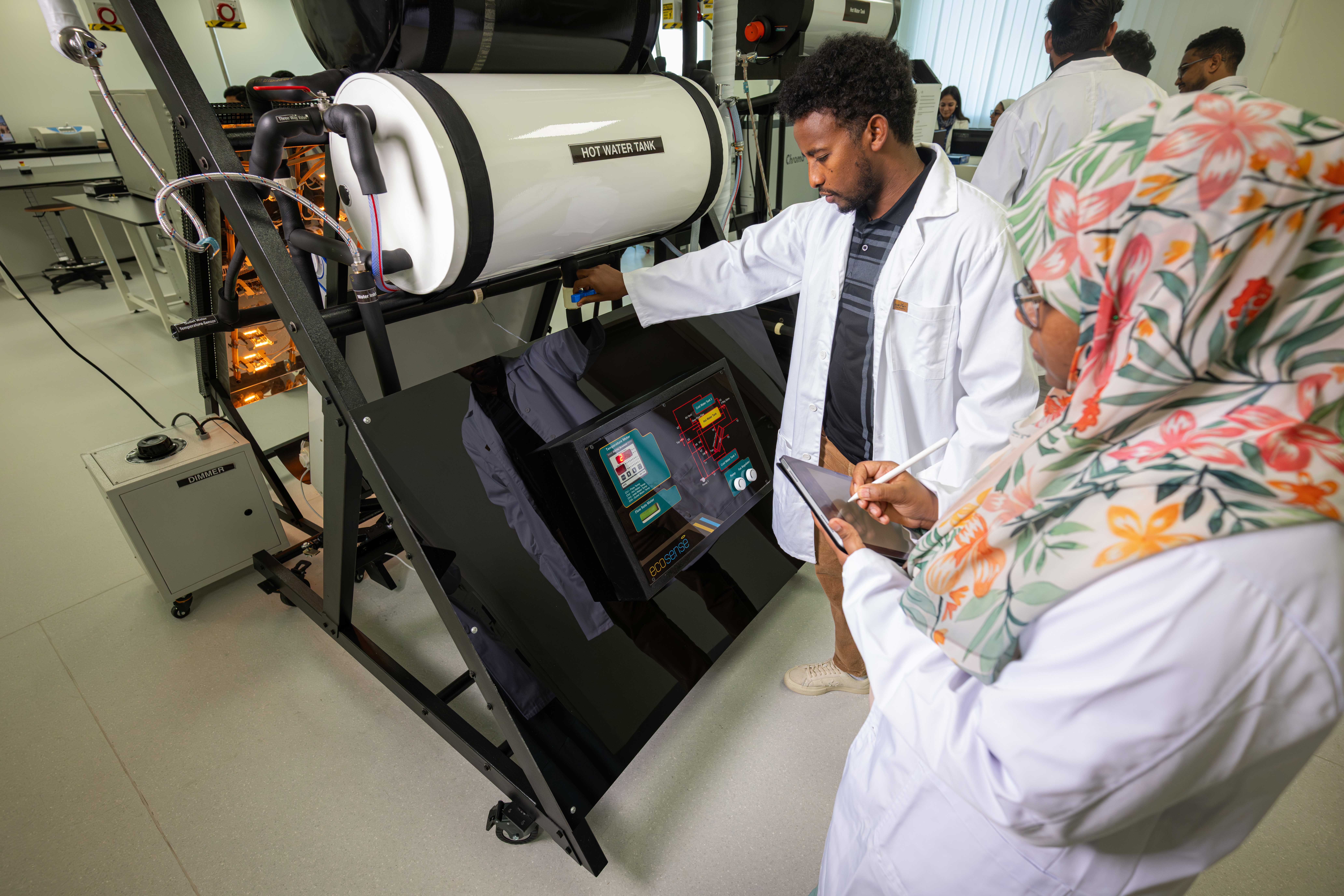
The B. Tech. Energy Engineering program at IIT Delhi – Abu Dhabi (IITD-AD) is a high-priority undergraduate program designed to address one of the world's most urgent challenges: building a sustainable, low-carbon energy future. Students gain a strong grounding in scientific and engineering principles, combined with hands-on learning in renewable energy, energy systems, and emerging technologies, preparing them for high-impact roles in industry, research, and policy. The curriculum builds expertise in core areas including thermodynamics, fluid mechanics, heat transfer, energy conversion, and systems engineering, before progressing to applied domains such as renewable energy technologies, energy storage, smart grids, and clean fuels. This ensures graduates develop both technical depth and adaptability, aligned with the UAE's strategic priorities and emerging global STEM trends.
Key Focus Areas
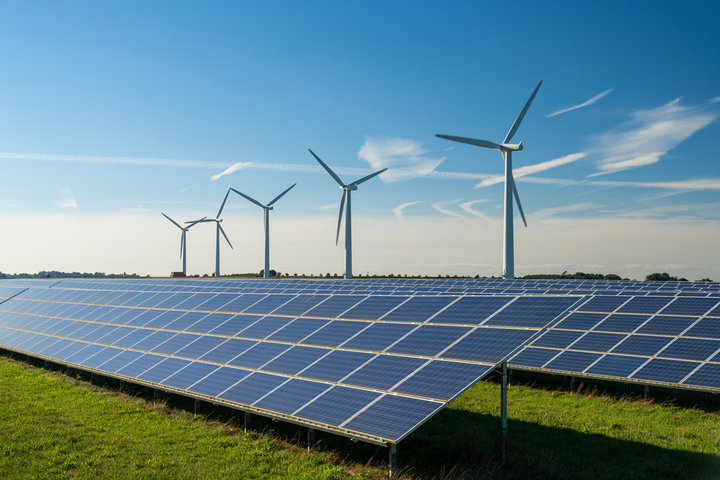
- Renewable Energy and Clean Technologies
- Oil, Gas and Clean Fossil Energy Systems
- Smart Grids and Digital Energy
- Sustainability and Climate Action
- Energy Policy and Economics
- Cross-disciplinary Innovation

Career Pathways
Graduates are prepared for critical roles in the UAE and global energy sector, contributing to high-priority projects and innovation initiatives. Key pathways include:
- Global Leading Companies in Energy Resources
- Prominent Regional Petroleum Refineries and Petrochemical Establishments
- Clean Technology and Emerging Energy Ventures
- International Agencies and Policy Institutions
- Pursue Advanced Studies and Research
Program Learning Outcomes
- Apply mathematics, science, technology, and engineering knowledge relevant to energy science and engineering disciplines.
- Demonstrate understanding of current energy resources, technologies, and their environmental impact.
- Quantitatively analyze and innovate energy systems for sustainable economic growth and environmental harmony.
- Identify, formulate, and solve energy-related environmental problems with innovative clean energy technologies.
- Utilize mathematical and experimental tools relevant to energy disciplines, understanding their processes and limitations.
- Employ computer tools applicable to energy and environmental disciplines, with awareness of their processes and limitations.
- Grasp fundamental and detailed engineering concepts pertinent to energy industries.
- Employ accurate standards of analysis and inquiry within the energy sector.
- Collaborate in projects and multi-disciplinary teams to design efficient energy production methods and address environmental challenges.
- Understand technology, safety, and management in oil, gas, and energy industries.
- Analyze and mitigate environmental, political, and social impacts of global energy production and consumption.
- Explore energy and matter flows in natural systems, supporting life and global interconnections.
- Apply economic principles to analyze energy institutions, markets, and policy impacts globally.
Insider Look
All News & Events
EVENT
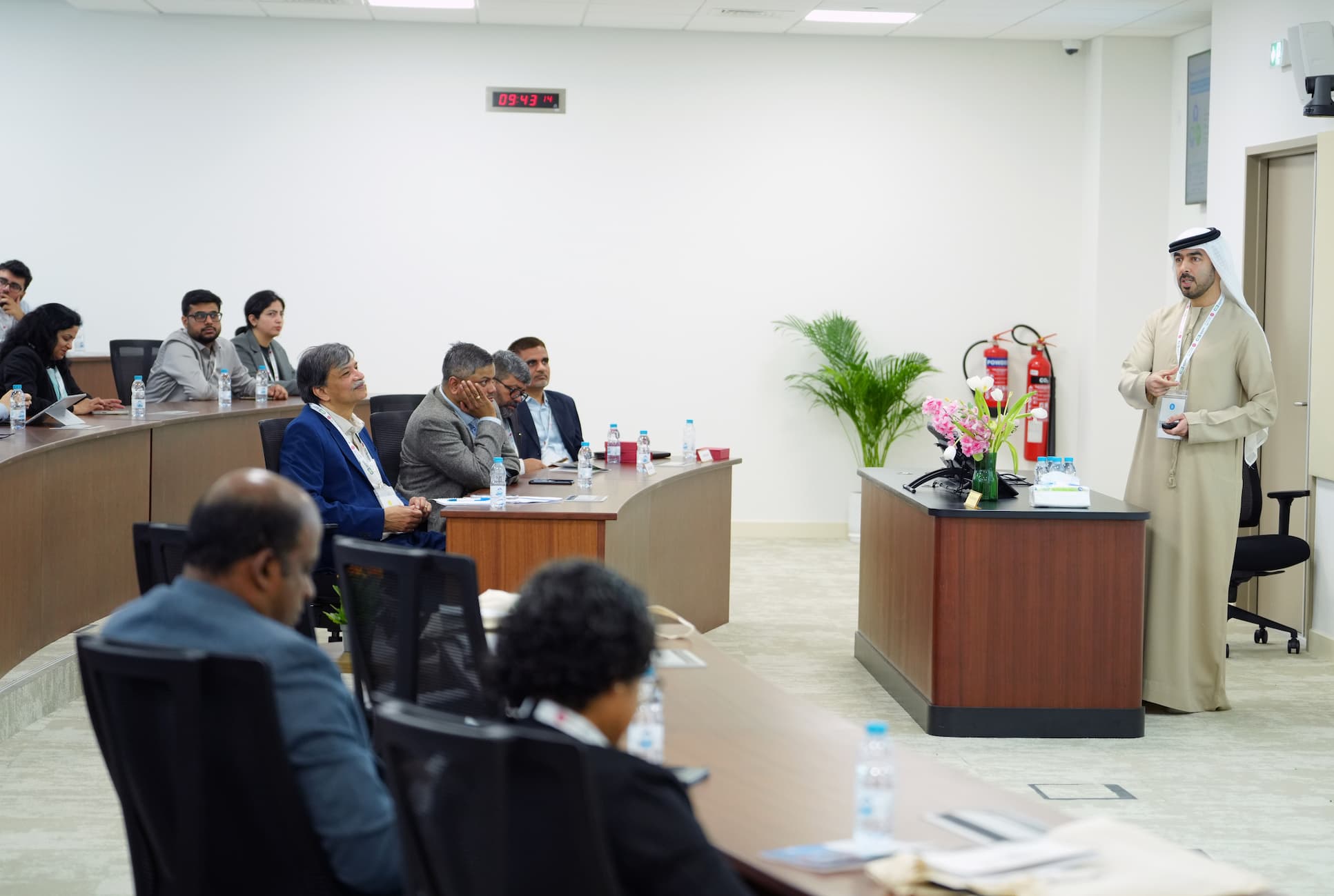
KU & IITD-AD Joint Research Symposium: Advancing Energy, Sustainability, AI, and Cybersecurity
Registrations Open
NEWS
KU & IITD-AD Joint Research Symposium: Advancing Energy, Sustainability, AI, and Cybersecurity
NEWS
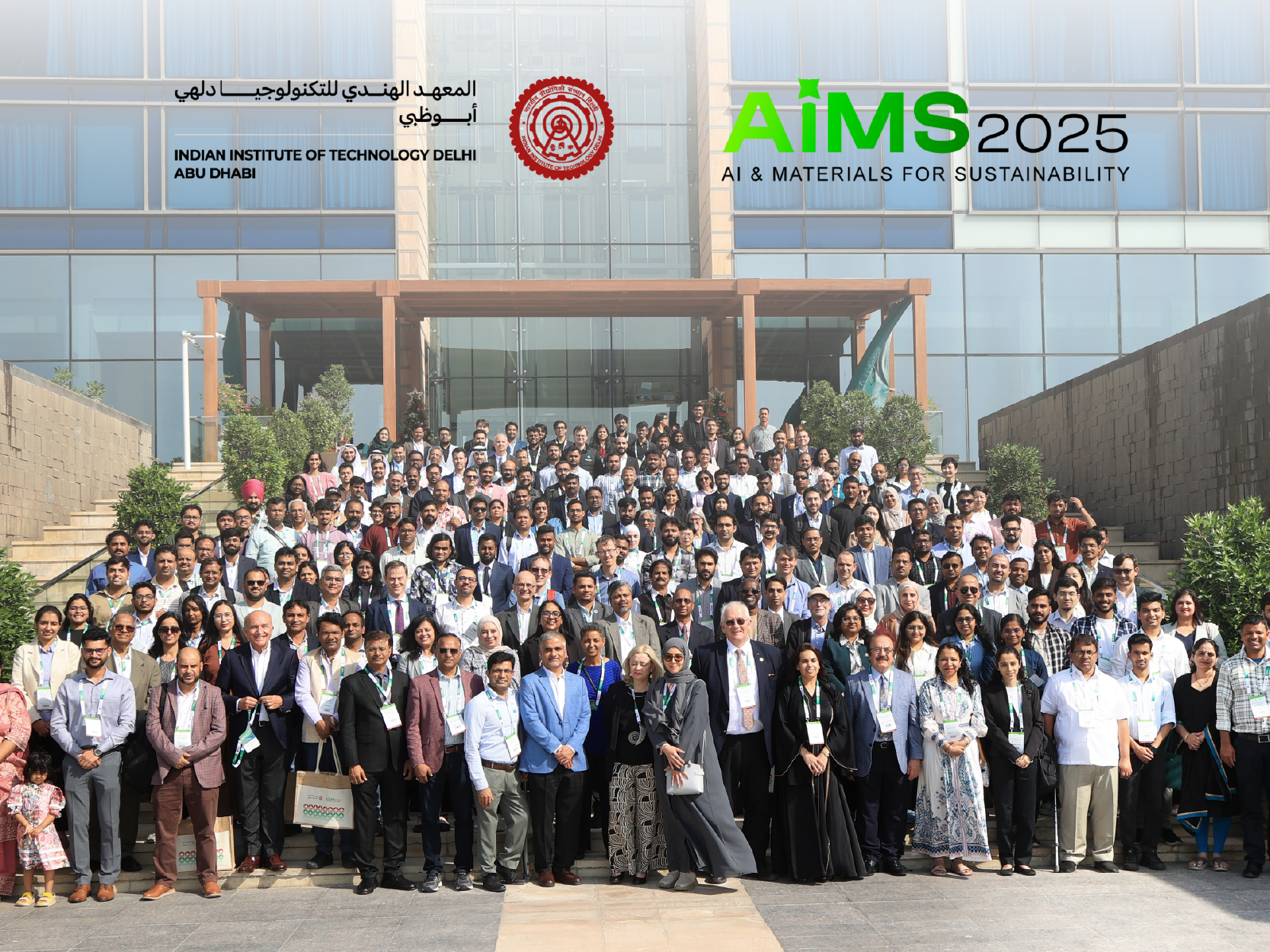
KU & IITD-AD Joint Research Symposium: Advancing Energy, Sustainability, AI, and Cybersecurity

EVENT
KU & IITD-AD Joint Research Symposium: Advancing Energy, Sustainability, AI, and Cybersecurity
Curriculum
Download PDFStudents build expertise in thermodynamics, fluid mechanics, heat transfer, and energy conversion before progressing to renewables, storage, smart grids, and clean fuels—aligned with UAE strategic priorities.
Type of the Course
- Basic Sciences
- Engineering Sciences
- Humanities & Social Sciences
- Program Core (Energy)
- Laboratories
- Program Electives
- Open Electives
- Internship/Industry Training
- Projects
- Overall
Course Names
- Mathematics I, II, III; Physics; Chemistry
- Engineering Mechanics; Basic Electrical Engineering; Introduction to Computing
- Communication Skills; Economics; Environmental Studies; Ethics
- Thermodynamics; Fluid Mechanics; Heat Transfer; Energy Conversion; Systems Engineering
- Thermal Lab; Energy Systems Lab; Computational Lab
- Renewables, storage, grids, and sustainability topics
- Courses from other disciplines
- Summer internships / industry exposure
- Minor Project; Major Design Project
Total Credits
- 20
- 22
- 16
- 60
- 12
- 15
- 12
- 4
- 12
- 173