Contact Us
 Write to Us
Chemical Engineering
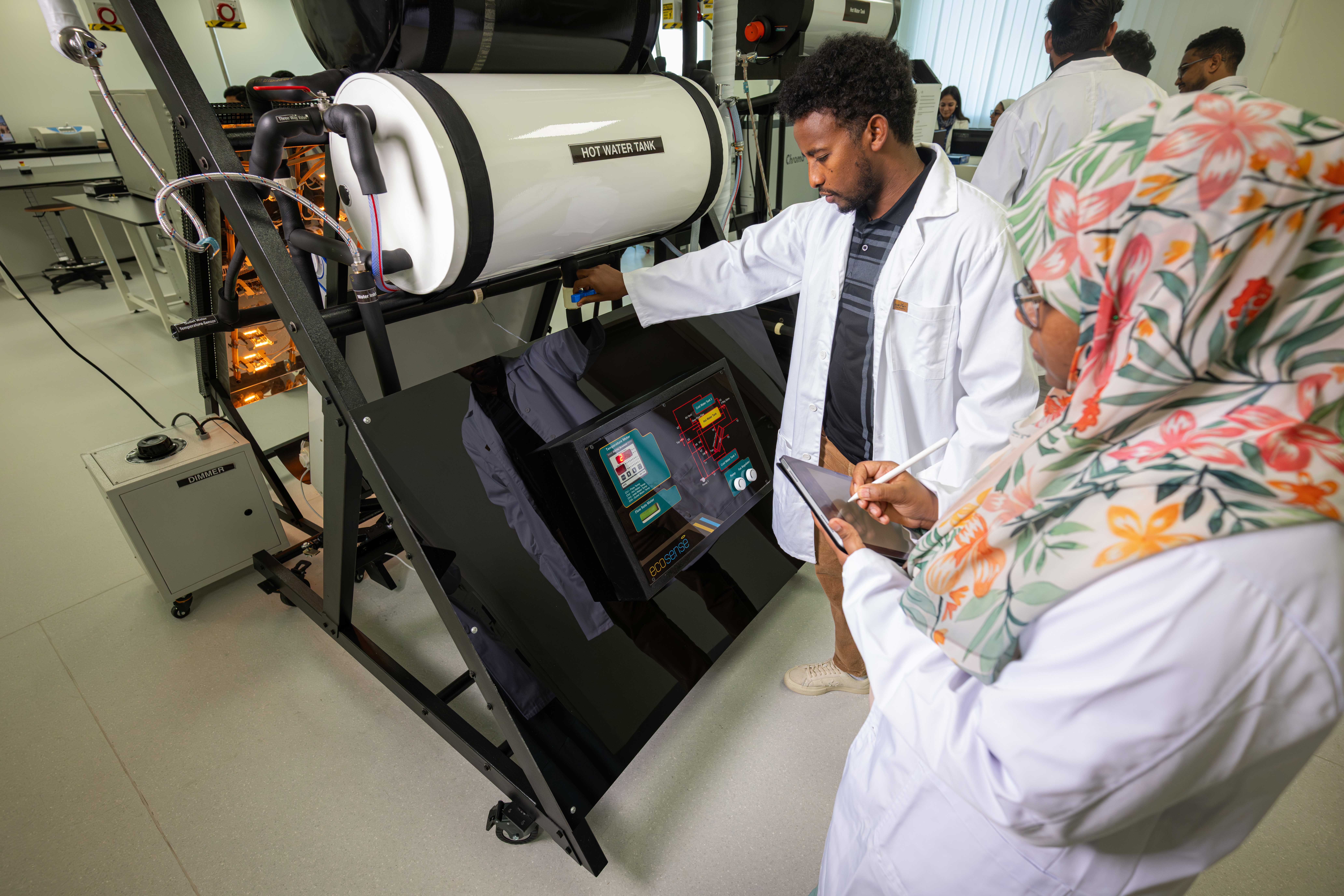
The Chemical Engineering B. Tech. program at IIT Delhi – Abu Dhabi (IITD-AD) sits at the intersection of STEM and innovation, preparing students for careers in sustainable energy, environment, healthcare, and advanced manufacturing. The program combines a strong scientific foundation with practical, future-focused applications, equipping graduates to lead in regional and global industries. The curriculum builds strong fundamentals in transport phenomena, thermodynamics, fluid mechanics, heat and mass transfer, and reaction engineering. The students then progress to applied domains, including process systems, plant design, materials engineering, and process automation. This approach ensures both technical depth and versatility, aligning with UAE strategic priorities and emerging global STEM trends.

Key Focus Areas
- Energy and Sustainability
- Pharmaceuticals and Bioprocessing
- Advanced Materials and Nanotechnology
- Process Systems and Automation
- Environmental and Climate Solutions
- Cross-disciplinary Innovation and Policy Making

Career Pathways
Graduates are equipped to contribute towards high-growth sectors in chemicals, energy, and advanced manufacturing in the UAE and internationally. Key career pathways include:
- Global Leading Companies in Chemicals and Materials
- Prominent Regional Petroleum Refineries and Petrochemical Establishments
- Healthcare and Biopharma Innovators
- Advanced Studies and Research
Insider Look
All News & Events
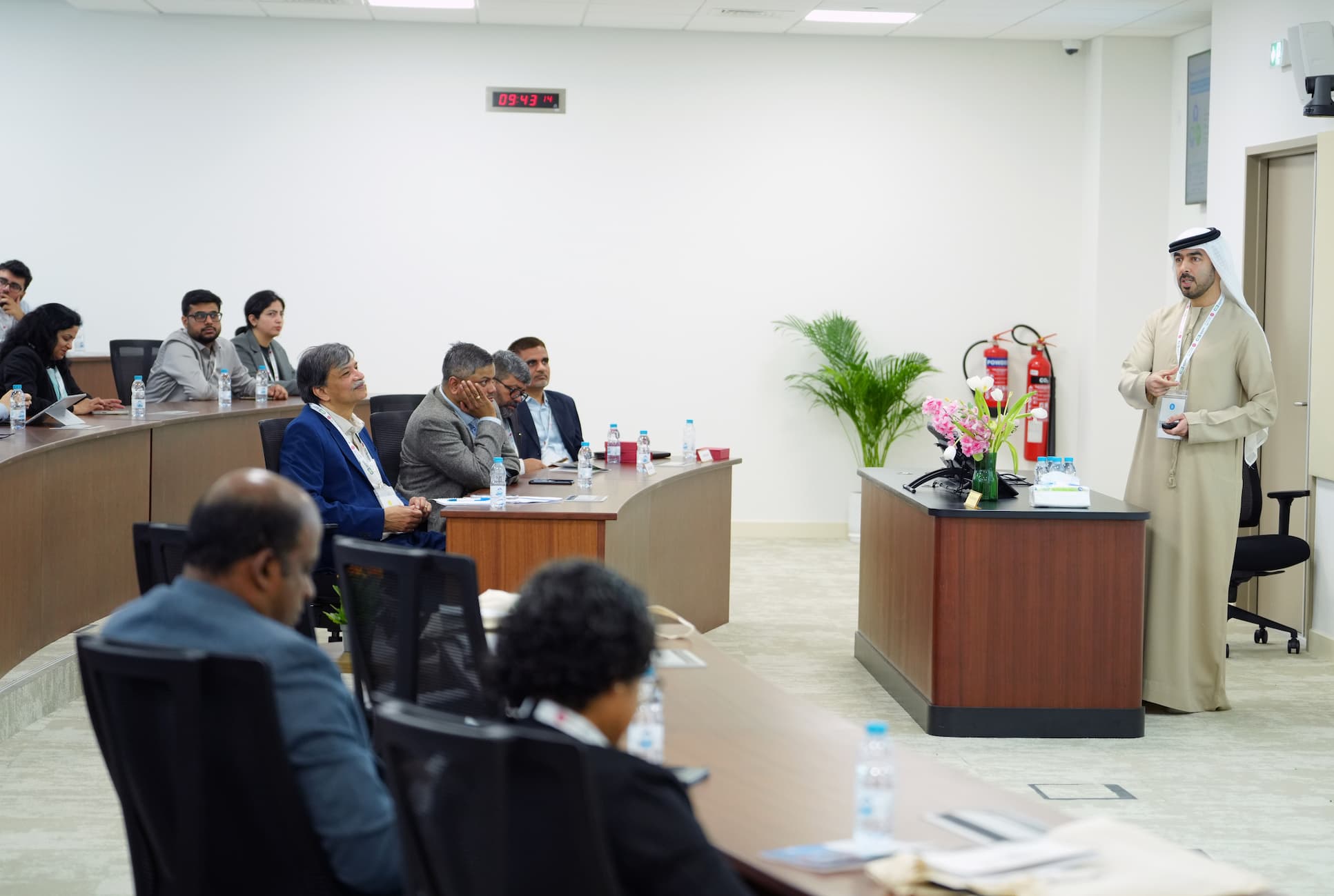
EVENT
KU & IITD-AD Joint Research Symposium: Advancing Energy, Sustainability, AI, and Cybersecurity
Registrations Open
NEWS
KU & IITD-AD Joint Research Symposium: Advancing Energy, Sustainability, AI, and Cybersecurity
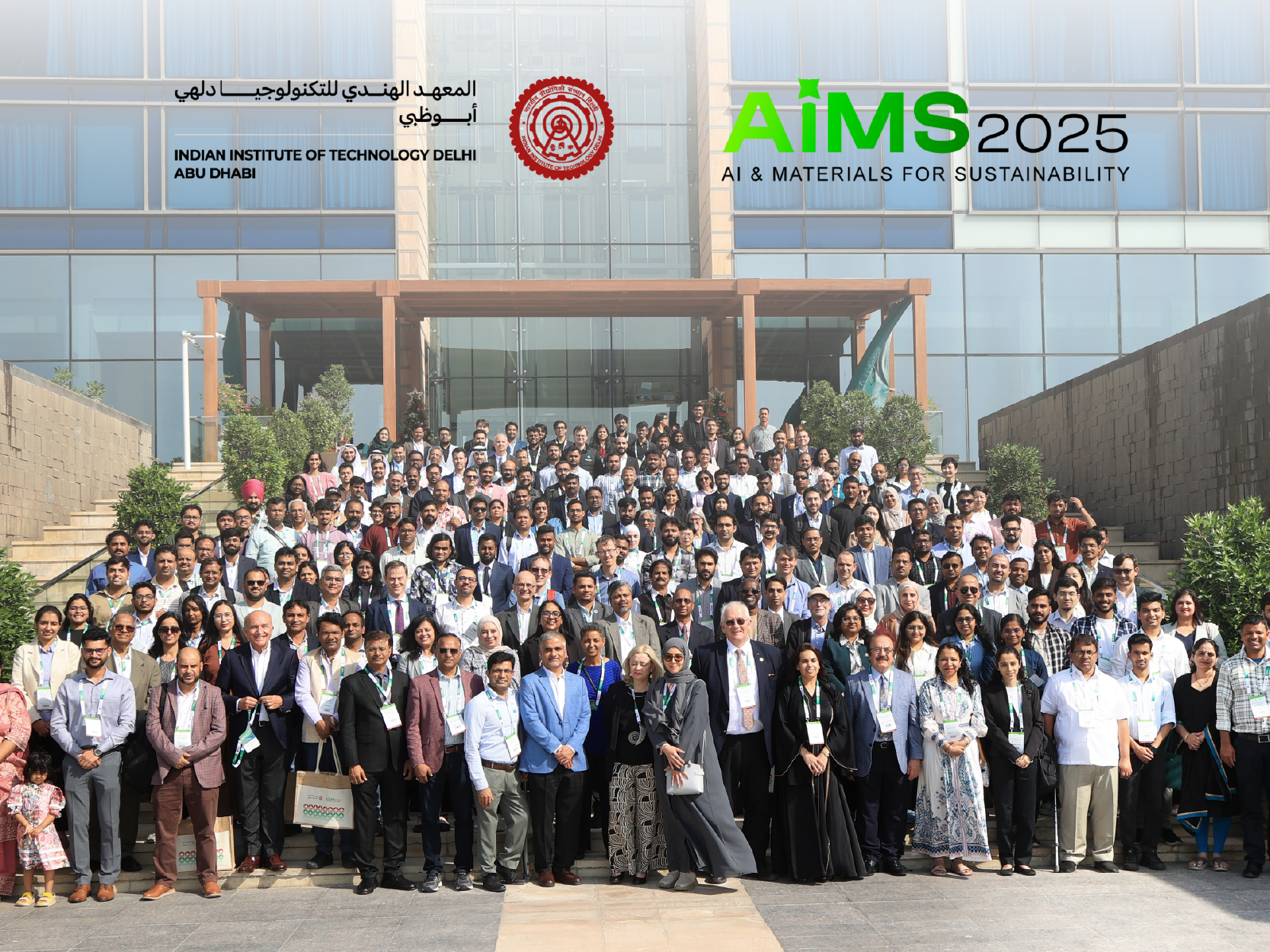
NEWS
KU & IITD-AD Joint Research Symposium: Advancing Energy, Sustainability, AI, and Cybersecurity

EVENT
KU & IITD-AD Joint Research Symposium: Advancing Energy, Sustainability, AI, and Cybersecurity
Curriculum
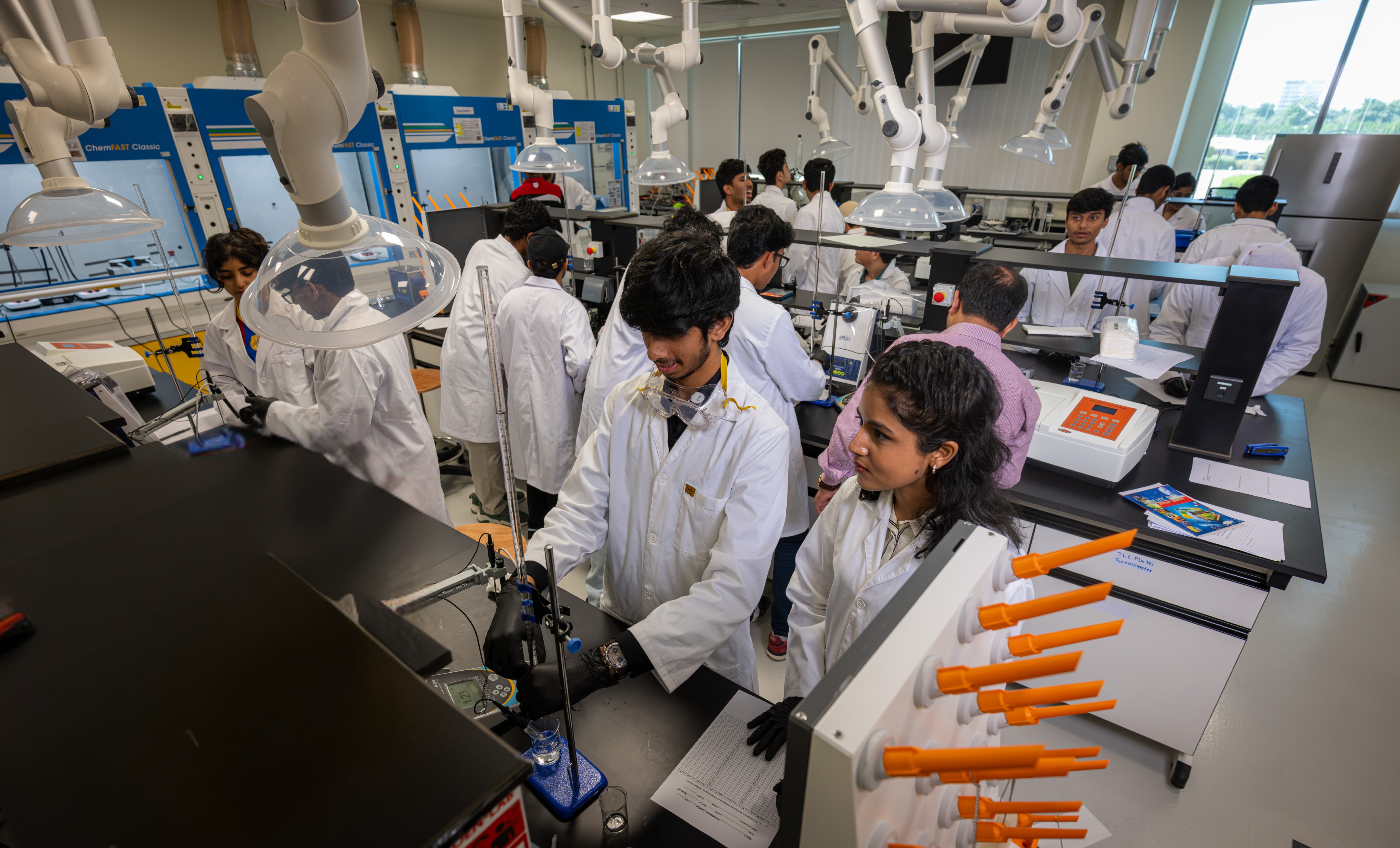
Download PDFThe program is structured to build a strong foundation in basic sciences and engineering principles while progressively developing core competencies in chemical engineering. It combines theoretical coursework with practical exposure through laboratories, internships, and design-oriented projects, ensuring a well-rounded learning experience. As students advance, the curriculum introduces specialized subjects alongside opportunities for interdisciplinary exploration. Electives further enable students to tailor their academic journey to their interests and career aspirations. A detailed breakdown of courses and subjects is provided in the table below, with additional information available in the downloadable PDF.
Type of the Course
- Basic Sciences
- Engineering Sciences
- Humanities & Social Sciences
- Program Core (Chemical Engineering)
- Laboratories
- Program Electives
- Open Electives
- Internship/Industry Training
- Projects
- Overall
Course Names
- Mathematics I, II, III; Physics; Chemistry
- Engineering Mechanics; Basic Electrical Engineering; Basic Electronics; Engineering Graphics; Introduction to Computing
- Communication Skills; Economics; Environmental Studies; Ethics
- Material & Energy Balances; Thermodynamics; Fluid Mechanics; Heat Transfer; Mass Transfer; Chemical Reaction Engineering; Process Control; Process Equipment Design
- Fluid Mechanics Lab; Heat Transfer Lab; Mass Transfer Lab; Reaction Engineering Lab; Process Control Lab; Computational Lab
- Advanced topics (e.g., Petroleum Refining, Polymer Engineering, Biochemical Engineering, Process Safety, Energy Systems)
- Courses from other disciplines
- Summer internships / industry exposure
- Minor Project; Major Design Project / Thesis
Total Credits
- 20
- 22
- 16
- 60
- 12
- 15
- 12
- 4
- 12
- 173