Contact Us
 Write to Us
Electrical Engineering
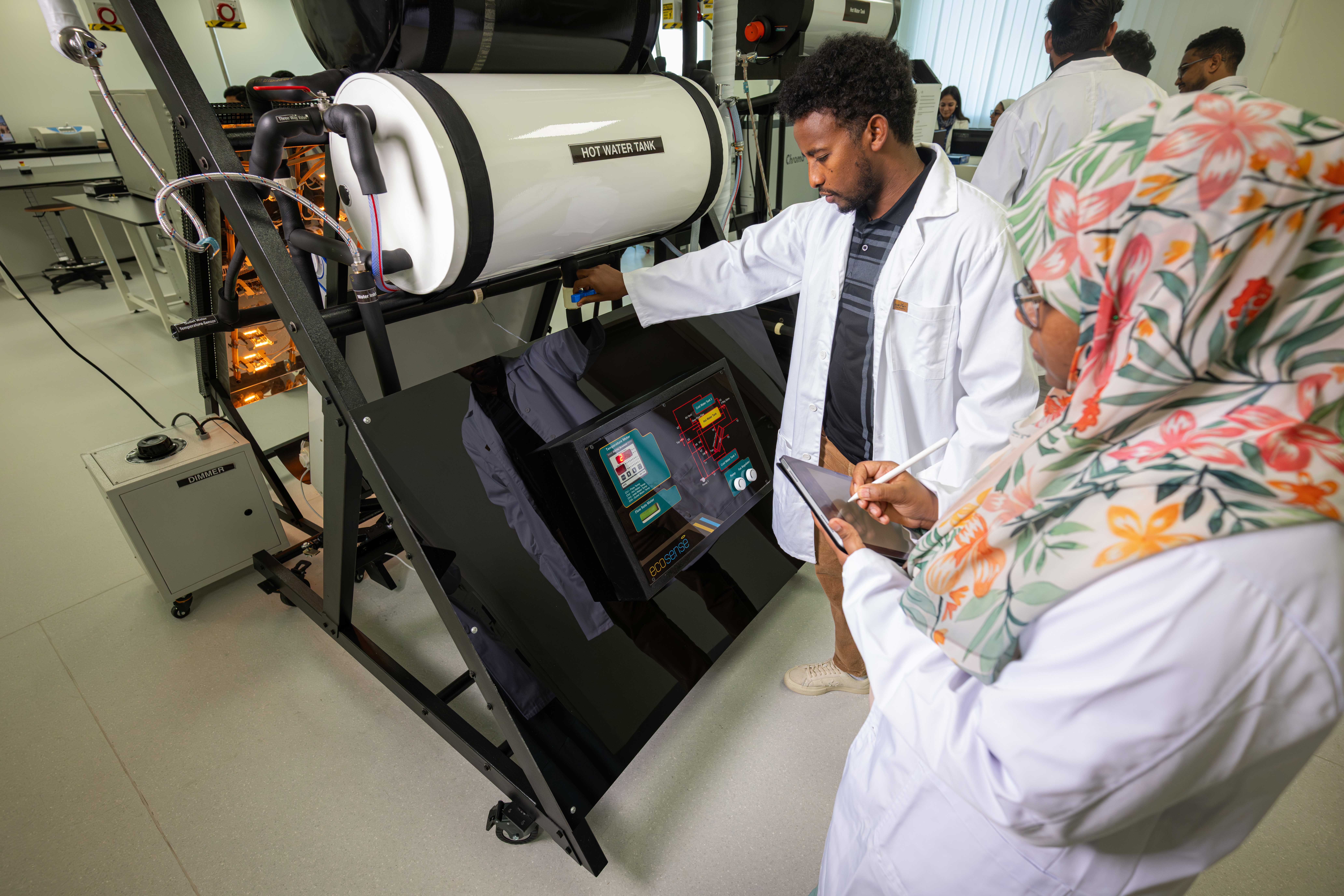
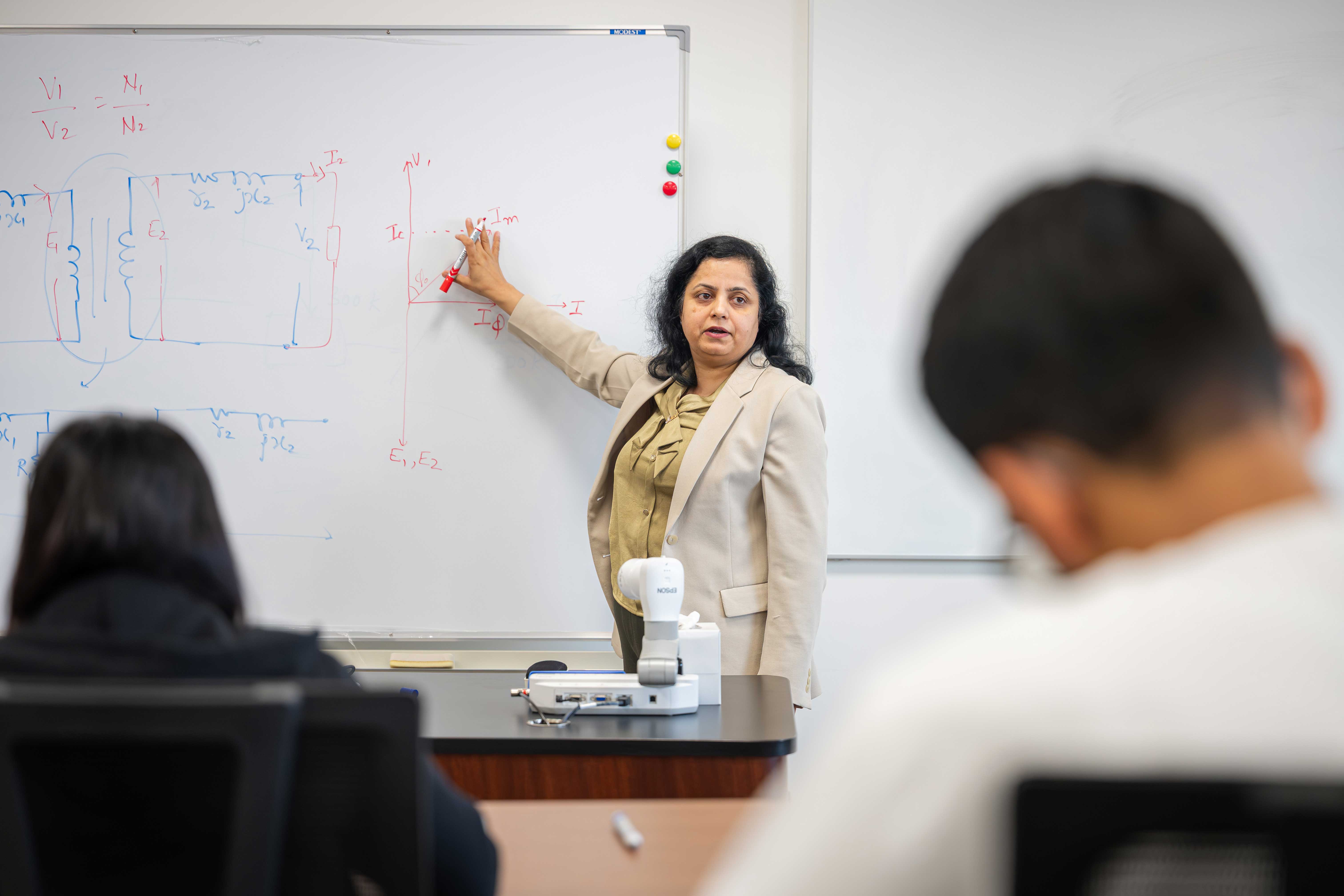
The B.Tech. in Electrical Engineering at IIT Delhi – Abu Dhabi is a four-year undergraduate programme designed to develop engineers with strong fundamentals, systems-level thinking, and the ability to innovate at the intersection of hardware, software, and artificial intelligence. The programme provides critical training across embedded systems, microelectronics, process control, automation, power electronics and electrical machines, power systems including renewable energy, VLSI and semiconductors, telecommunications etc. Students also build expertise in new age technologies like nano and quantum technology, photonics, and AI-enabled systems. The curriculum is structured to build adaptability, enabling students to apply electrical engineering principles to domains such as robotics, smart infrastructure, intelligent energy systems, and emerging digital technologies. Positioned within IIT Delhi's global academic ecosystem and Abu Dhabi's innovation-driven environment, the programme prepares graduates to lead in industry, research, entrepreneurship, and technology-driven public initiatives.

Key Focus Areas
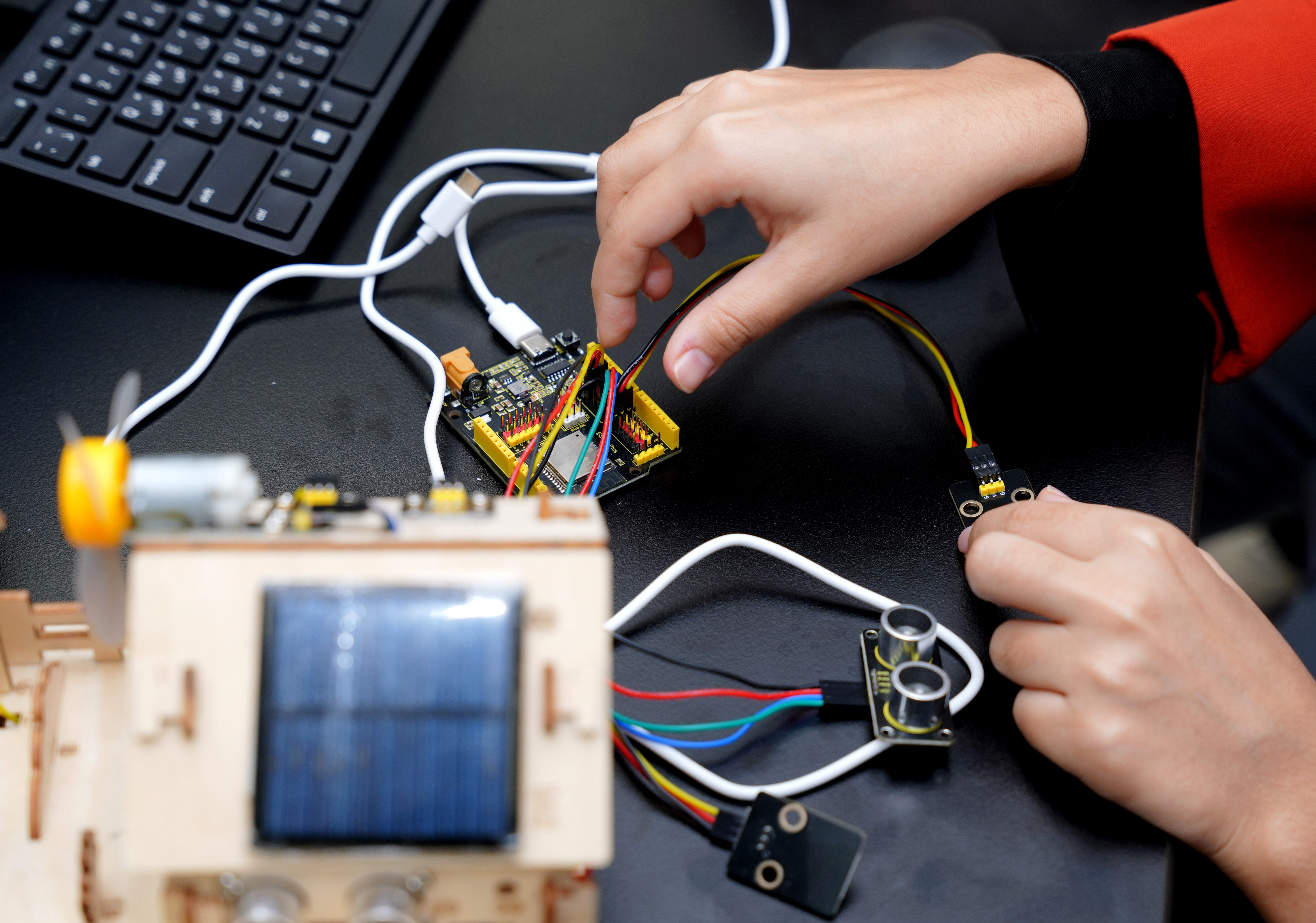
- Integrated Electronics and Circuits
- Power Systems and Power Electronics
- Control and Automation
- Embedded and Computer Systems
- Control System and Robotics
- Machine Intelligence and Emerging Technologies
- 5G and 6G Digital Telecommunications

Career Pathways
Graduates of the B. Tech. in Electrical Engineering at IIT Delhi - Abu Dhabi are equipped to build impactful careers across cutting-edge technology, energy, and infrastructure ecosystems. Key opportunities include:
- Electrification, EVs and Sustainable Transport
- Automation, Robotics and Intelligent Systems
- Semiconductors, Hardware, and Advanced Electronics
- Telecommunications and Digital Infrastructure
- Technology Consulting, R&D and Innovation
- Advanced Studies and Research
Insider Look
All News & Events
EVENT
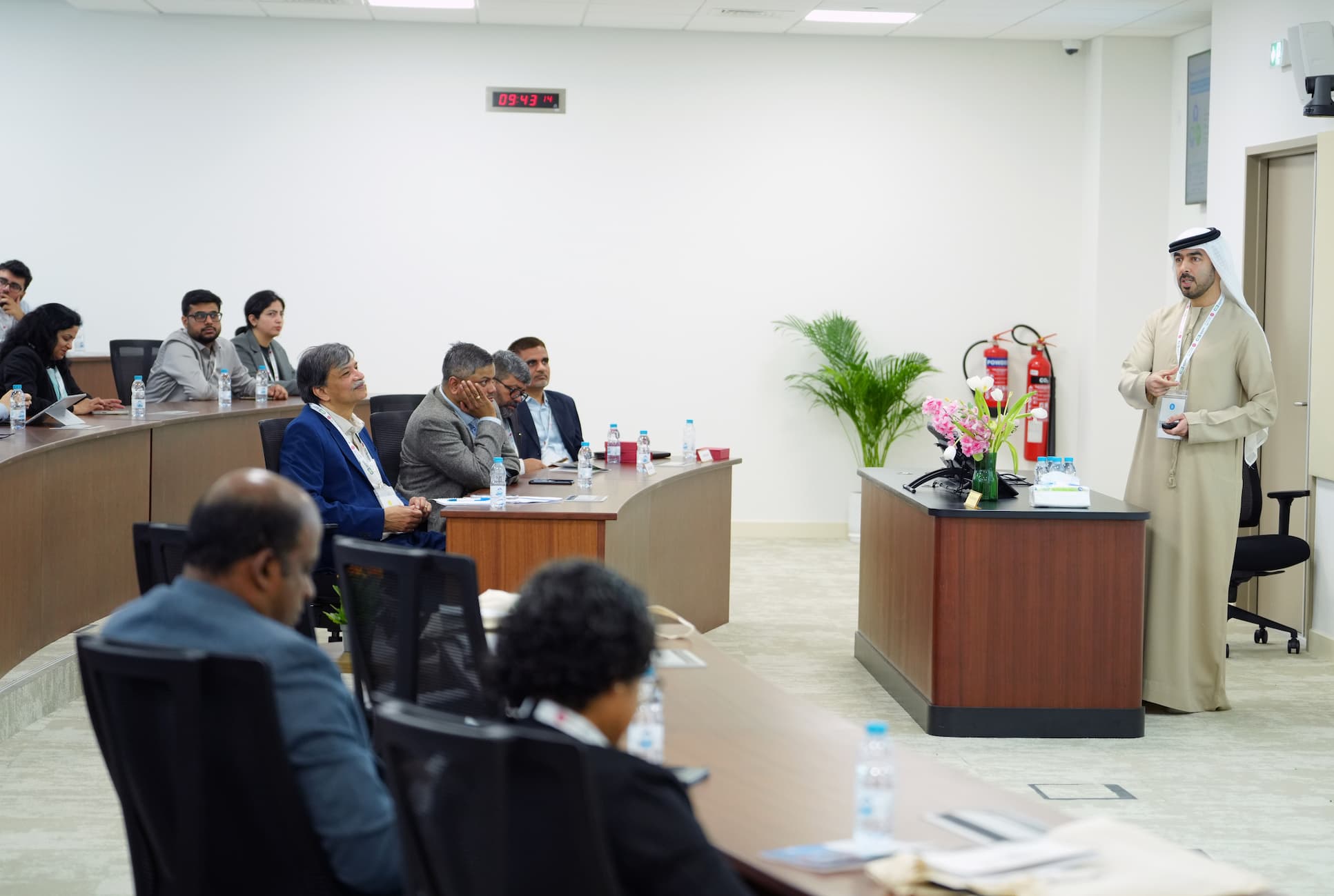
KU & IITD-AD Joint Research Symposium: Advancing Energy, Sustainability, AI, and Cybersecurity
Registrations Open
NEWS
KU & IITD-AD Joint Research Symposium: Advancing Energy, Sustainability, AI, and Cybersecurity
NEWS
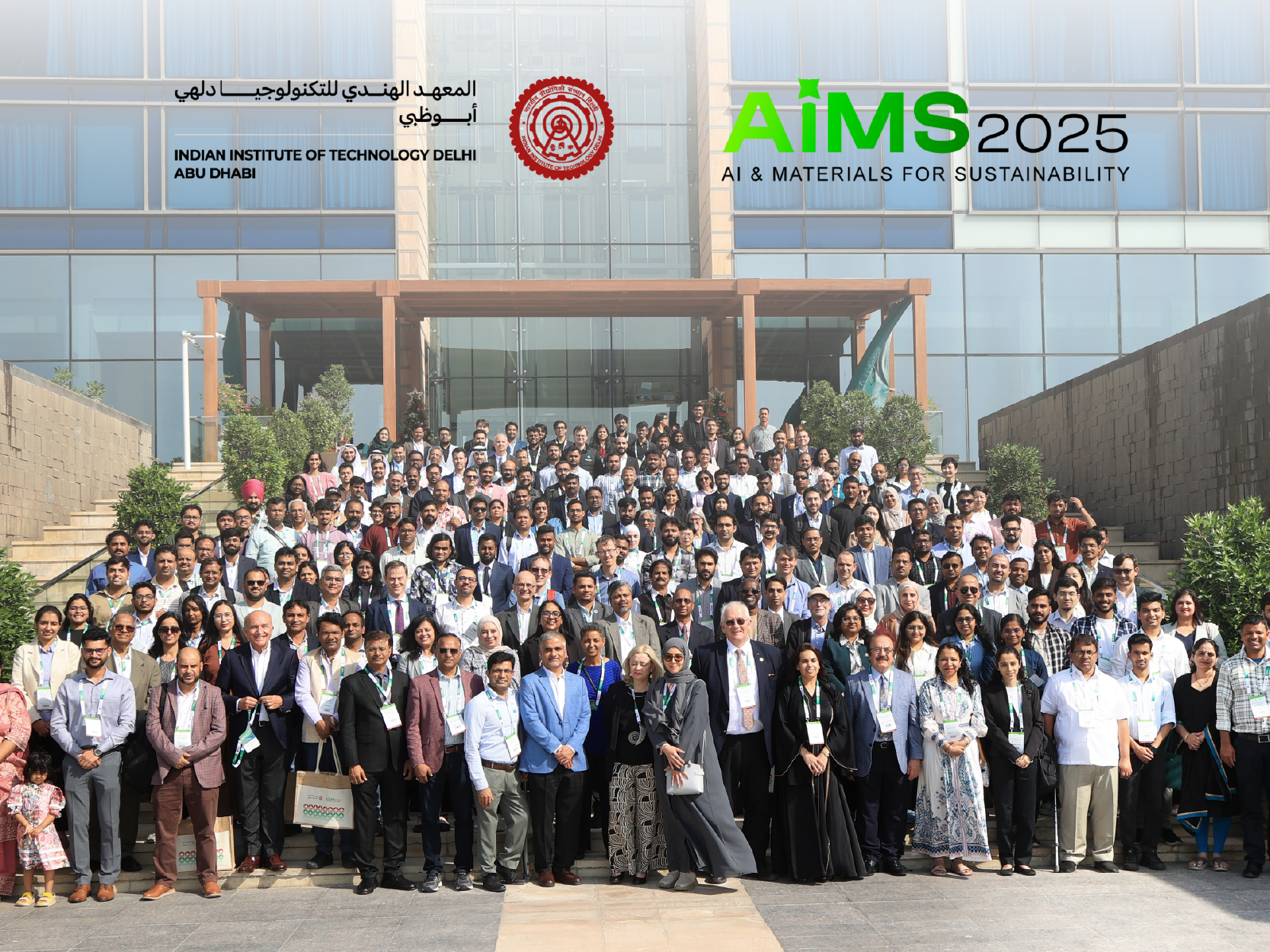
KU & IITD-AD Joint Research Symposium: Advancing Energy, Sustainability, AI, and Cybersecurity

EVENT
KU & IITD-AD Joint Research Symposium: Advancing Energy, Sustainability, AI, and Cybersecurity
Curriculum
Download PDFThe curriculum progresses from fundamentals in circuits and electromagnetics to applied domains in power electronics, communications, and control systems, supported by laboratories and design projects.
Type of the Course
- Basic Sciences
- Engineering Sciences
- Humanities & Social Sciences
- Program Core (EE)
- Laboratories
- Program Electives
- Open Electives
- Internship/Industry Training
- Projects
- Overall
Course Names
- Mathematics I, II, III; Physics; Chemistry
- Engineering Mechanics; Engineering Graphics; Introduction to Computing
- Communication Skills; Economics; Environmental Studies; Ethics
- Circuits; Signals and Systems; Electromagnetics; Power Systems; Control; Communications
- Circuits Lab; Machines Lab; Control Lab; Communications Lab
- Advanced EE topics and interdisciplinary electives
- Courses from other disciplines
- Summer internships / industry exposure
- Minor Project; Major Design Project
Total Credits
- 20
- 22
- 16
- 60
- 12
- 15
- 12
- 4
- 12
- 173